Eigen risico 2026 and 2027: the Dutch health insurance deductible explained
Door Lisa van den BergBijgewerkt op 6 min lezen
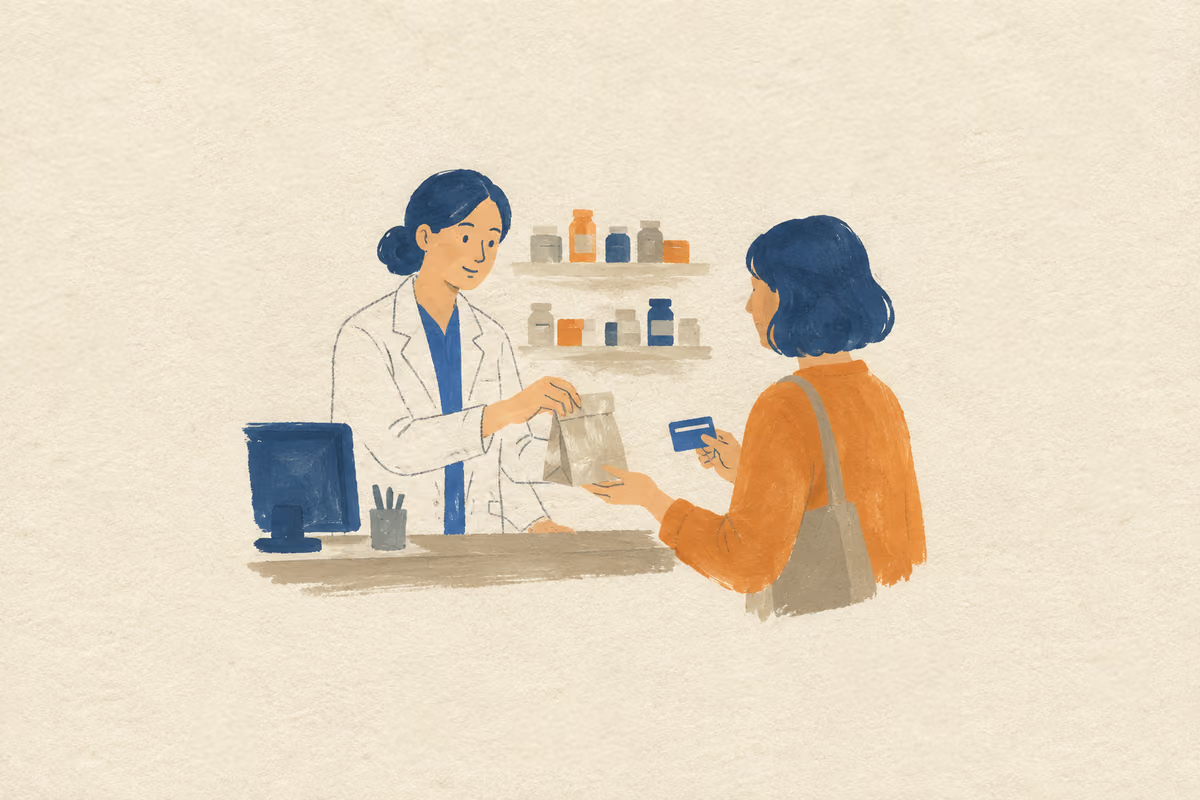
The eigen risico (compulsory deductible) is €385 in 2026 and, according to the government's Prinsjesdag plans, €400 in 2027. What it applies to, what's exempt (such as your GP), the voluntary deductible of up to €500 extra, and when insurers announce the 2027 premiums (by 12 November).
Short answer
The eigen risico is the compulsory deductible of Dutch basic health insurance: the first part of your care costs each calendar year that you pay yourself. It is €385 in 2026. On Prinsjesdag (15 September 2026) the government announced €400 for 2027, an inflation increase; parliament still has to approve it. GP visits, children under 18 and some other care are exempt. You can add a voluntary deductible of up to €500 for a lower premium. Insurers publish their 2027 premiums by 12 November 2026.
Status as of 29 September 2026, checked against the official sources listed at the end of this article. Amounts for 2027 are proposals unless stated otherwise and can still change.
How high is the eigen risico in 2026 and 2027?
| 2026 | 2027 | |
|---|---|---|
| Compulsory deductible (verplicht eigen risico) | €385 | €400 (government plan) |
| Voluntary extra (vrijwillig eigen risico) | Up to €500 | Up to €500 |
| Maximum you can pay yourself in a year | €885 | €900 |
| Children under 18 | No deductible | No deductible |
Source: Rijksoverheid, 15 September 2026. The government also expects the average basic premium to rise by about €12.50 a month to around €169 a month in 2027. A further increase of the deductible that had been announced earlier was moved to 2028; whether it happens is not yet decided.
What care counts towards the eigen risico?
Most care from the basic package counts, for example hospital care, specialist visits, medicines from the pharmacy, blood tests and mental health care. Your insurer bills you afterwards, or deducts it when it pays the care provider.
No deductible applies to (Rijksoverheid):
- GP care (huisarts), including the out-of-hours GP service.
- Midwife and maternity care (for maternity care you do pay a personal contribution).
- Community nursing (wijkverpleging).
- Some chronic-care programmes, such as for type 2 diabetes and COPD.
- Follow-up care after organ donation and some lifestyle programmes.
- All basic-package care for children under 18.
Eigen risico is not the same as eigen bijdrage
An eigen bijdrage (personal contribution) is a separate charge for specific care, such as some medicines or maternity care. It comes on top of, or instead of, the deductible, depending on the care.
Should you choose a voluntary deductible?
You can raise your deductible voluntarily in steps up to €500 extra in exchange for a lower monthly premium. It is a bet on your own health:
- Good for: people who rarely need care beyond the GP and have savings to pay up to the full amount.
- Risky for: people with a chronic condition, regular medication or a planned treatment, or anyone without a buffer.
Compare the premium discount per year with the extra amount you'd pay in a bad year. If the discount is €150 a year and the extra risk is €500, you need more than three healthy years to come out ahead. You can spread payment of the deductible in instalments; ask your insurer.
When can you switch health insurer for 2027?
- By 12 November 2026: insurers publish their 2027 basic premiums.
- By 31 December 2026: cancel your current policy (many insurers do this for you when you sign up with them before year-end).
- Until 31 January 2027: if you've cancelled, you can still take out a new policy, which starts retroactively on 1 January 2027.
Source: Overstappen.nl. The deductible amount is set by law and is the same at every insurer; what differs is the premium, the choice of care providers (restitution or in-kind policy) and the supplementary cover. For the basics of the Dutch system, see Dutch health insurance for expats. For low incomes, the health care allowance helps: zorgtoeslag for expats.
New in the Netherlands?
If you've just arrived and become insured mid-year, the deductible for that year is reduced pro rata. Dutch insurance also covers urgent care on holiday, but not everything; see the travel insurance guide linked below.
Sources
Veelgestelde vragen
According to the government's Prinsjesdag plans of 15 September 2026, €400, up from €385 in 2026. Parliament still has to approve it. You can add a voluntary deductible of up to €500.
No. GP care, including the out-of-hours GP service, is exempt, as are midwife care, community nursing and all basic-package care for children under 18.
Only if you rarely need care and can pay up to €500 extra in a bad year. Compare the yearly premium discount with the extra amount you might have to pay.
Insurers publish their 2027 premiums by 12 November 2026. You can switch by cancelling before 31 December 2026 and taking out a new policy by 31 January 2027.
Yes, the compulsory deductible is set by law. Premiums, care-provider choice and supplementary cover differ per insurer.
Geschreven door